
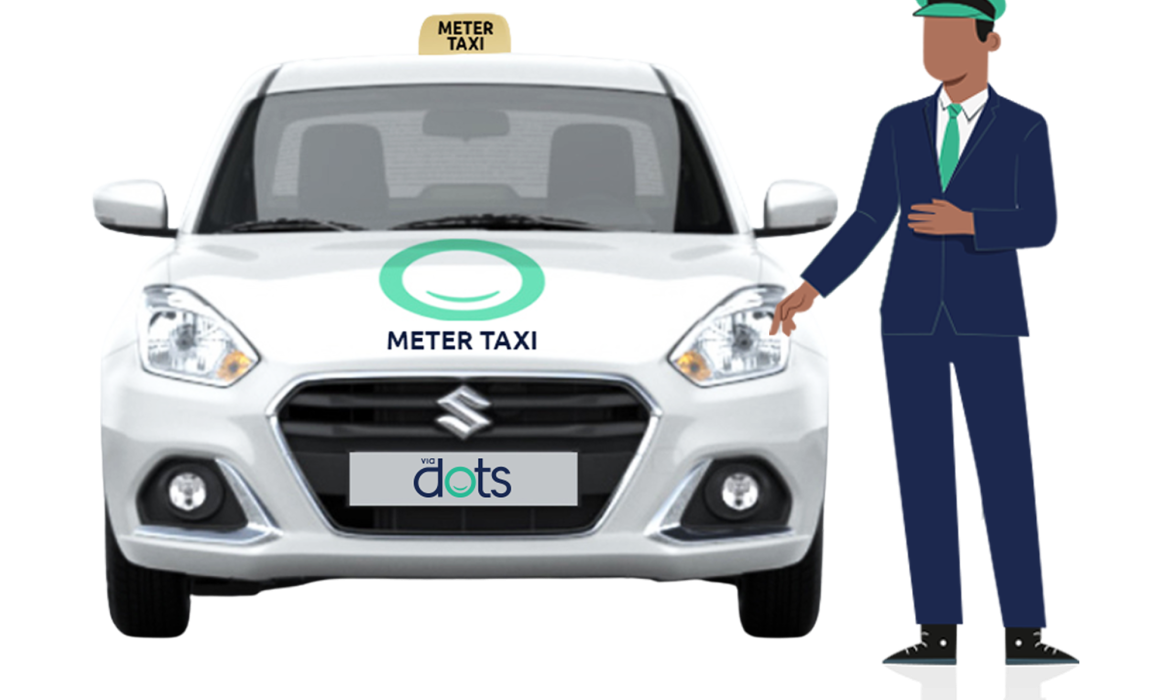
Digital Meter Taxi in India – All You Need to Know
Introduction:
Urban transportation in India has seen a rapid transformation in the past two decades. Traditional taxis, once equipped with mechanical meters, often led to disputes over fare due to inaccuracies and lack of transparency. These systems were also prone to tampering and didn’t offer real-time updates, creating trust issues between drivers and passengers.
Then came app-based cab services, offering convenience through mobile apps, real-time bookings, and route tracking. However, they also brought new problems, especially unpredictable surge pricing and lack of fare transparency. Many riders started noticing fluctuating fares based on time and demand, while drivers faced platform commissions and complex payout structures.
To address these issues, India’s mobility sector is now turning toward Digital Meter Taxis, which combine the regulatory discipline of traditional meters with the efficiency of app-based platforms. These taxis aim to bring fair, real-time, and RTO-compliant pricing to every ride through a digital system. This shift reflects growing interest in affordable urban transport, [Why viaDOTS Is the Ultimate Solution for Hassle-Free Cab Booking] where transparency and fixed pricing are critical to public trust.
What is a Digital Meter Taxi?
Definition and Features
A Digital Meter Taxi uses smart software within a mobile app to calculate fares, replacing the need for mechanical meters. The digital system uses GPS tracking and applies RTO-approved rates for distance and time, ensuring fair and legal pricing. Passengers can see live fare calculations, and drivers benefit from accurate tracking of their trips.
Advantages Over Traditional and Existing App-Based Taxis
Traditional taxis with analog meters often lacked transparency and allowed for fare manipulation. On the other hand, some app-based rides introduced dynamic pricing models that led to inflated fares during high-demand periods or late hours.
Digital Meter Taxis aim to fix this by ensuring that fares are calculated strictly based on the real-time distance traveled, travel duration, and RTO-fixed per-kilometer rates. Since the digital meter is integrated into the app, passengers get upfront pricing and clear visibility into what they’ll be paying both before and after the ride.
RTO Compliance and Regulatory Alignment
One of the standout features of digital meter taxis is their compliance with regional transport office (RTO) guidelines. Since fare rates are matched to officially approved slabs:
- Riders enjoy consistent and affordable pricing.
- Drivers receive fair earnings for their time and effort.
- Urban transportation systems benefit from increased trust and reduced friction.
This model supports public transport goals and bridges critical mobility gaps in densely populated cities.
How Does an app base digital meter taxi Work?
App-based ride booking has made commuting seamless.
Step-by-Step Ride Flow
- Booking via App or Web: Riders can schedule or instantly book their ride through a mobile app or website.
- Real-Time Fare Calculation: The app calculates distance, duration, and pricing per kilometer based on GPS and RTO-approved tariffs. Pricing is shown before the ride begins and updated after the trip ends.
- Live Trip Monitoring: Passengers can track the route and estimated arrival time while riding, improving transparency and safety.
- Post-Ride Transparency: A clear summary of distance traveled, ride duration, and fare breakdown is shown to the passenger at the end of the trip.
- By using this model, the system offers the kind of real-time tracking [How Technology Is Transforming Cab Booking in India] that promotes transparency and prevents fare disputes.
Why Digital Meter Taxis Are Essential for the Indian Mobility Industry
Enabling Accessible Urban Transport
In a country as populous and diverse as India, accessibility is key. Digital meter taxis provide a highly accessible mobility solution that caters to both urban and semi-urban areas. Unlike public transport, which may be overcrowded or unavailable at times, these app-based solutions are available at the user’s convenience and doorstep.
India’s public transport system struggles to keep up with the growing demand. Digital meter taxis like viaDOTS fill this gap by offering reliable, on-demand services that ensure comfort, safety, and affordability.
This also supports the growing demand for commuter cost control, [The Role of Meter Taxis in Making City Travel Affordable] especially for daily travelers looking to avoid dynamic fares.
Tackling Surge Pricing and Pricing Injustice
Despite their convenience, popular app-based cab services often face criticism for surge pricing. Even shared rides, bike taxi or auto-rickshaw bookings on these platforms are sometimes overpriced, making them inaccessible to the average commuter.
By leveraging RTO-approved pricing and a transparent fare meter, digital meter taxis effectively eliminate the unpredictability in pricing. Both riders and drivers benefit from a standardized system where everyone knows what to expect. This directly addresses concerns around problems caused by surge pricing, [Surge Pricing: How It Affects Passengers and How Fixed Pricing Helps] giving users a sense of pricing predictability.
Supporting Local Drivers and the Economy
These app based taxis are not just about benefiting riders. Because the pricing model follows local RTO rules and doesn’t rely on platform-based commissions, drivers receive better payouts without the need for middlemen. This helps empower local transport providers and strengthen the community-based mobility ecosystem. In many cases, has led to improved service quality and rider satisfaction.
Environmental Impact and Sustainable Commuting
Digital Meter Taxis, when integrated with GPS based route optimization and scheduling tools, reduce unnecessary travel time and fuel consumption. By offering a viable alternative to personal vehicles, they help minimize traffic congestion and promote eco-friendly transport in growing cities. Such systems are a big step toward sustainable travel(how digital meter taxis contribute to sustainable travel), especially in crowded metro cities.
Pros and Cons of app based Digital Meter Taxis
For Rides Pros:
- Transparent pricing based on real-time distance and time
- No surge pricing or inflated charges during high demand
Challenges:
Internet connectivity is needed to make changes to destination or stops via the app
For Drivers Pros:
- Fair earnings as per government-approved fare rates
- No commission cuts or platform-based fee deductions
- Trust and long-term loyalty from riders due to transparency
Challenges:
- Need to stay active on the app to receive ride requests
These pros and cons are common in fixed-rate taxi models, which are gaining popularity across urban India.
Conclusion – A Smarter Future for Transparent Travel
Digital Meter Taxis mark a turning point in India’s urban transport evolution. They blend regulatory compliance with the ease of modern tech, eliminating fare manipulation, hidden charges, and dynamic pricing headaches.
By prioritizing fair pricing, local driver empowerment, and real-time tracking, this model is shaping a more accountable, transparent, and sustainable transportation future.
As the shift toward smart commuting grows stronger, understanding the role of meter-based taxi systems [Navigating Bangalore: The Ultimate Guide to Smart Commuting]will become essential for anyone navigating India’s urban landscape.
The Future of Mobility in India: Trends, Challenges, and Innovations in Ride-Hailing
Introduction:
Ride-hailing in India has redefined the way people move. From hectic urban travel to peaceful intercity commutes, ride-hailing apps offer an unmatched level of convenience, flexibility, and reliability. As consumer needs evolve and cities become more congested, the ride-hailing in India industry is rapidly innovating to meet the growing demands. Today, app-based cabs, seamless integrations with public transport, and eco-friendly vehicles are driving a mobility revolution.
But it’s not without challenges. The rise in population leads to increased ride demand, while inconsistencies between public transport and private cab fares widen accessibility gaps. Moreover, driver shortages, (The Impact of Driver Shortages on India’s Ride-Hailing Industry), ride cancellations, and surge pricing during peak hours strain the experience for passengers.
Emerging Trends in Ride-Hailing
• Electric Cabs: Driving Sustainable Mobility
One of the most promising developments in urban mobility in India is the shift toward electric vehicles (EVs). As cities battle pollution and traffic congestion, electric cabs offer a cleaner and quieter alternative. With growing EV charging infrastructure and government incentives, companies like BluSmart are adopting this sustainable and cost-effective solution. (How BluSmart Is Redefining Ride-Hailing with Electric Cabs)
• AI-Driven Booking Systems: Enhancing User Experience
Artificial intelligence is revolutionizing how users book and experience cab rides. Through smart algorithms, AI-driven cab booking reduce wait times, predict ride demand, and improve driver-passenger matching. (How Technology Is Transforming Cab Booking in India)
• Seamless Multi-Modal Integration
Integrating ride-hailing in India with metro rail, buses, and other modes of transportation offers a cohesive urban travel experience that boosts time efficiency, cost-saving, and emission reduction.
Key Challenges in the Ride-Hailing Industry
• Skyrocketing Demand and Urban Pressure
As Indian cities grow denser, ride-hailing platforms face immense pressure. Limited driver availability during rush hours often leads to delays, cancellations, and higher fares.
• Fare Discrepancies and Affordability
The difference between public transport fares and private cab pricing remains a major barrier to mass adoption.
• Driver Shortage and Ride Cancellation Woes
A shortage of trained drivers disrupts availability, causing ride cancellations. (The Impact of Driver Shortages on India’s Ride-Hailing Industry)
• Surge Pricing During High Demand
Surge pricing, especially during peak hours and holidays, often doubles the base fare. Fortunately, fixed pricing taxis are gaining traction. (Surge Pricing: How It Affects Passengers and How Fixed Pricing Helps)
• The Rural Connectivity Gap
While ride-hailing in India thrives in urban areas, rural regions lack digital infrastructure, limiting access and inclusivity.
Innovations Driving Change in Ride-Hailing
• Digital Meter Taxi and Transparent Pricing
The rise of the digital meter taxi India has introduced fare transparency and eliminated surge pricing. (Digital Meter Taxi in India – All You Need to Know)
• Subscription Models for Frequent Riders
Companies are rolling out subscription-based ride-hailing models that help users save more. (The Shift to Subscription-Based Ride-Hailing Models in India)
• Real-Time Ride Monitoring and AI Optimization
Features like live GPS tracking and AI-driven route planning are improving trust and reducing idle time. (How Live Ride Tracking Helps Commuters)
• Personalization and Smart Interfaces
Enhanced app interfaces with hyper-personalization, language preferences, and smart suggestions are making cab booking trends more user-friendly.
• The Dawn of Autonomous Taxis
Still in development, autonomous vehicles promise to reduce human error and increase efficiency in the future.
India’s Unique Mobility Landscape
Urban mobility in Indian cities like Bangalore, Mumbai, and Delhi is heavily affected by daily traffic congestion, slowing down ride-hailing in India. (How Bangalore’s Working Professionals Are Redefining Commutes). The high density of vehicles not only slows down cab services but also significantly increases trip durations. Navigating through Bangalore’s traffic-choked streets, in particular, calls for smarter mobility planning and better ride distribution strategies to ensure timely and efficient transportation.
In addition to congestion, inconsistent road infrastructure adds another layer of challenge(The Impact of India’s Road Infrastructure on Cab Services). From potholes to narrow lanes and poorly planned roads, these factors negatively impact ride quality and lead to increased vehicle maintenance costs, driving up overall ride expenses. Integrating cab services with public transportation like trains and buses can help address these issues by solving the last-mile connectivity. (The Role of Public Transport in Complementing Ride-Hailing in India). This integrated approach also encourages commuters to reduce reliance on private vehicles, easing traffic and cutting down urban pollution.
Future Outlook: What Lies Ahead
The future of ride-hailing in India is being shaped by a combination of regulatory changes, technological advancements, and strong market potential. Government support plays a pivotal role, with new regulations around data privacy, electric vehicle (EV) subsidies, and road safety norms already influencing operational strategies of major ride-hailing companies. These policy shifts are likely to foster a more secure and sustainable environment for mobility services. On the technological front, insights from McKinsey suggest that India’s mobility sector will continue to evolve through digitization, electrification, and automation. Emerging technologies like machine learning and blockchain are also expected to integrate into ride-hailing systems, enhancing efficiency, security, and customer experience.
Looking at the market trajectory, India’s ride-hailing industry is projected to witness exponential growth over the next five years. With rising smartphone penetration, affordable internet, and rapid urbanization, this sector is poised to become a cornerstone of India’s transportation ecosystem. Companies that strategically align with regulatory frameworks and adopt cutting-edge technologies will likely lead the next wave of growth in the mobility-as-a-service (MaaS) landscape.
Final Thoughts
Mobility in India is evolving fast. With innovations like AI, EVs, digital meter taxi India, and fixed pricing taxis, the road ahead is promising. But challenges like driver shortages, pricing gaps, and rural disconnect must be tackled.
As a tech-driven cab provider, viaDOTS is leading the way by offering:
- Fixed pricing models
- Premium ride experience
- User-friendly app experience (Top 7 reasons, for why you choose viaDOTS cab)